
Commercial battery storage that earns its place
A battery stores energy when it is cheap and uses it when it is expensive. For the right site, that means lower demand charges, backup power for critical loads, and cheaper EV charging, with or without solar.
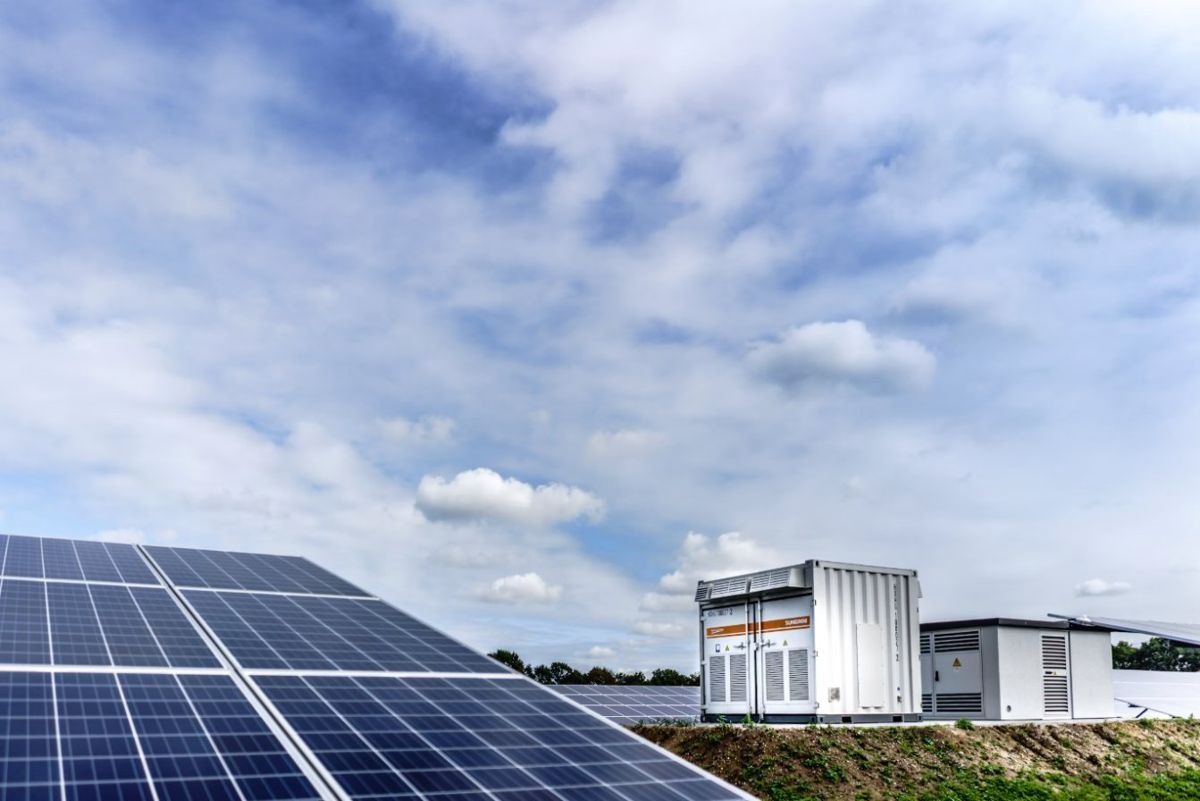
Four ways a battery creates value
Most projects combine two or more of these. We model each one for your site so you see where the value actually comes from.
Shave your peaks
Utilities bill many businesses on their highest burst of power each month. A battery covers those spikes so the meter sees a lower peak.
Buy low, use high
Charge when power is cheap and discharge when it is expensive, which pays off under time-of-use rates.
Keep critical loads running
Back up refrigeration, IT, security, elevators or other essential circuits when the grid goes down.
Get paid to help the grid
Some utility programs pay batteries to discharge during peak events. We check what is available in your area.
Storage pays best when
- Your bill includes significant demand charges
- Your load spikes, from equipment, HVAC or EV fast chargers
- You are on time-of-use rates with a large peak/off-peak gap
- Outages are costly for your operation
- Local incentives or grid programs support it
If none of these apply, we will tell you, and recommend solar or efficiency first.
The battery covers the spikes
When demand rises above a set level, the battery discharges so the grid only sees the level you choose.
Standalone or paired
Standalone battery
Storage does not require solar. A standalone battery can cut demand charges and provide backup on its own.
Solar + storage
Store midday solar for the evening peak and keep a solar-powered building running in an outage. Commercial solar →
EV charging + storage
A battery absorbs fast-charging spikes, which can reduce the utility upgrade a charging site needs. EV charging →
Modular batteries that scale with your needs
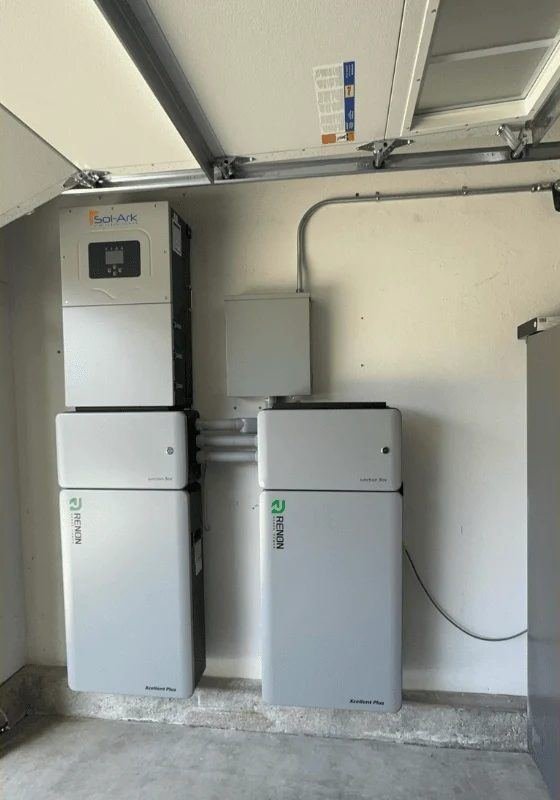
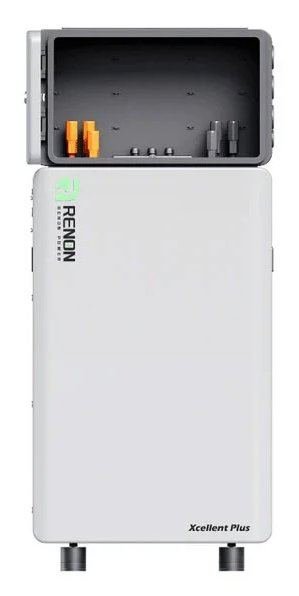
Where a project calls for modular storage, such as smaller commercial sites, multifamily buildings or backup for critical circuits, we use modular battery systems. Modules install side by side, so capacity can be sized to the loads you want to cover and expanded later.
Paired with a hybrid inverter, the batteries can store solar or grid power and switch critical circuits to backup during an outage.
Battery storage in Connecticut: the demand response program
Connecticut pays businesses to let their batteries support the grid. Under the Energy Storage Solutions program, run by the Connecticut Green Bank with Eversource and UI, a commercial battery earns performance payments for discharging when the utility calls a demand response event on high-demand days.
- Small and medium commercial: $325 per kW per year for years 1 to 5, then $175 per kW per year for years 6 to 10.
- Large commercial: $275 per kW per year for years 1 to 5, then $175 per kW per year for years 6 to 10.
- Enrollment: a one-time incentive of $10 per kWh for priority commercial customers, and a $350 commercial application fee.
- Events: about 30 to 60 summer events a season and up to 10 in winter, over a 10-year performance period.
These payments stack with the demand charge savings the battery delivers every month, and they work whether or not the battery is paired with solar. We model both for your site. Details: Connecticut Green Bank program update · PURA Energy Storage Solutions.
Rates for the structure in effect since April 1, 2026, as of November 2026. We confirm current terms during your site review.
Battery storage questions
Do I need solar to add a battery?
No. A battery can charge from the grid during cheaper hours and still cut demand charges and provide backup.
How is a commercial battery sized?
Two numbers matter: power (kW), which sets how much of a peak the battery can cover, and energy (kWh), which sets how long it can cover it. We size both from your interval meter data.
How long does a battery last?
Lifetime depends on the chemistry, how often it cycles and how deeply. We share the manufacturer's warranty terms for the equipment we propose.
What can it back up during an outage?
We wire the battery to the circuits you choose, such as refrigeration, IT or lighting, and size it for how long you need them to run.
Related
Find out if storage pays at your site
Send us 12 months of utility bills. We'll show you how much of your bill is demand charges and what a battery could cut.